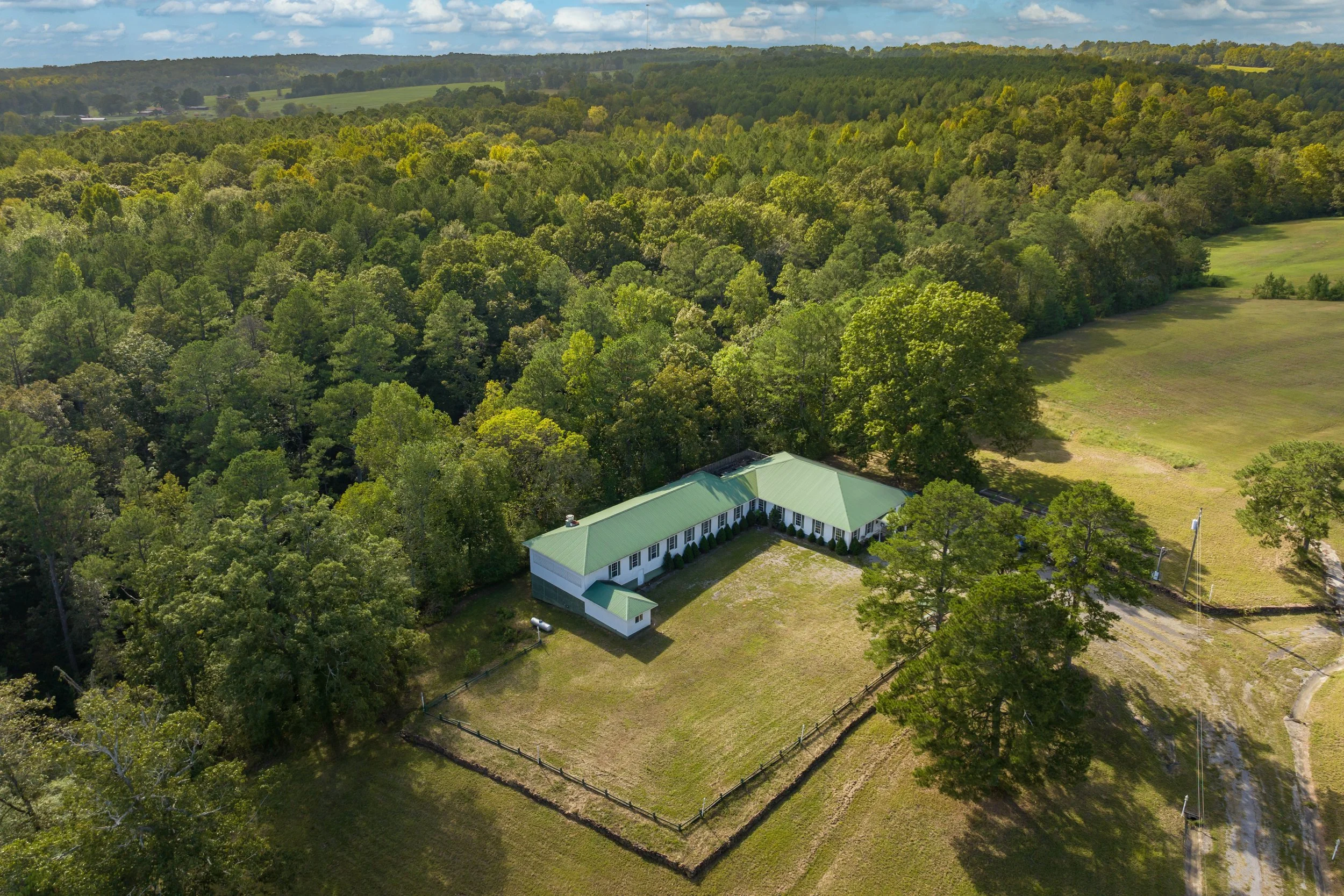
“What are your immediate needs?”
This question is commonly posed and encompasses various layers.
Firstly, we must address our foundational needs, the essential requirements for ensuring safety and functionality, which must be met prior to seeking approval from the Department of Human Resources for just a simple 6 month permit before full licensure.
Secondly, we consider our operational needs, which include critical elements such as adequate staffing levels and securing funding for staff salaries.
Lastly, we focus on the functional needs of our structure and group home operations, such as providing furnishings that promote a healthy and joyful living and working environment.
Below is a detailed list of specific items pertaining to each need.
Structural Needs
-
Security cameras in a group home protect residents, staff, and visitors by deterring violence, unauthorized access, and theft, and by creating clear incident records. Strategically placed, continuous monitoring enables faster, informed emergency responses and verifies compliance with care standards. With privacy safeguards—no coverage of private areas, secure data, and transparent policies—surveillance helps protect vulnerable youth, improve staff safety, and support a stable, healing environment.
-
Accessible fire extinguishers and a clear evacuation plan are vital for our teen group home. Strategically placed, regularly inspected extinguishers let staff quickly control small fires. A posted, practiced, and updated evacuation plan ensures residents and staff know exits, meeting points, roles, accountability procedures, how to assist those with mobility or trauma needs, and how to contact emergency responders—reducing risk, promoting calm, and protecting our healing environment.
-
Holes in the back deck are a safety hazard that must be repaired promptly to prevent trips, falls, injuries, and liability—fixing it now ensures a safe, reliable space for our youth and staff.
Operational Needs
-
We urgently need dedicated, loving house parents for our girls’ group home who can provide a stable, nurturing, trauma-informed environment. Ideal candidates are mature caregivers without young children in the home and no teen boys, so they can give focused attention to the emotional, educational, and behavioral needs of adolescent girls recovering from trauma. House parents should be patient, consistent, and committed to creating routines, supporting therapeutic goals, and fostering a safe atmosphere where each girl can heal and thrive. Prior experience with youth or residential care, strong communication skills, and a willingness to collaborate with clinicians and caseworkers are highly valued.
-
Dependable relief staff are essential to give house parents the respite they need to sustain compassionate, effective care; reliable volunteers step in during evenings, weekends, and emergency absences to maintain routines, de-escalate crises, and provide consistent supervision so house parents can rest, attend appointments, or manage personal responsibilities without disrupting the therapeutic environment. Dependability means showing up on schedule, following established safety and behavior-support protocols, communicating clearly with staff about observations and concerns, and committing to training and continuity so youth experience predictable boundaries and trusted adults. When relief staff are consistent and well-prepared, house parents can avoid burnout, model healthy self-care for the whole household, and ensure the home remains a safe, stable place for healing.
-
Life coaches are essential to support house parents in meeting the basic needs of our girls—coordinating transportation to school and appointments, assisting with homework and educational planning, and ensuring nutritious meals and daily routines are consistent and nurturing. By providing practical guidance, time-management strategies, and hands-on help, life coaches lighten the operational load so house parents can focus on building trust and healing relationships. Their role also includes connecting families to community resources, modeling healthy coping skills, and creating individualized plans that promote stability and growth. With life coaches on the team, our house parents are better equipped to provide consistent care that fosters safety, academic progress, and emotional recovery for each girl.
-
We are seeking funding equal to 25% of our projected operating budget for the first year of operation—and annually thereafter—to ensure stable, high-quality services for youth recovering from trauma; this required amount is $30,000.00. This dedicated reserve will cover essential startup and recurring costs such as staffing reserves, transitional housing support, emergency needs, and program continuity during funding gaps, allowing Legacy Home Ministries to maintain safety, consistent therapeutic services, and the infrastructure necessary for long-term healing and growth.
Functional Needs
-
We need a 12–15 passenger van to comfortably and safely transport 8–10 teens for our programs; a van of this size provides the extra seating and space needed for staff to sit among youth, and secure belongings when required, while offering room for gear and emergency supplies. A larger passenger van also improves comfort on longer trips, reduces crowding that can increase stress or behavioral issues, and allows for proper installation of seat belts and restraints to meet safety regulations. Choosing a vehicle with adequate passenger capacity ensures drivers have clear sightlines and easier access to passengers in the event of a medical or behavioral need, and it supports reliable, efficient transport for group activities, outreach, and therapeutic outings central to our mission of helping youth recover and heal from trauma.
-
We need three separate washer/dryer units in the home: one dedicated for the parents’ use and two dedicated for the girls, ensuring privacy, hygiene, and consistent access to clean clothing; having individual units accommodates different laundry schedules and fabric care needs, and supports the girls’ sense of independence and stability as they recover and develop healthy routines.
-
A large dining table is essential for our home so foster teens and house parents can gather comfortably for meals, share conversations, and build trusting relationships; having enough space for everyone to sit together not only ensures practical comfort and accessibility but also creates a stable, welcoming environment where daily routines, family-style meals, and meaningful interactions can support healing and growth.
-
We need eight basic armoires with built-in bottom drawers to provide each of the eight girls with dedicated, secure storage for clothing and accessories; these armoires will offer hanging space for garments, shelving for folded items, and a bottom drawer for shoes, undergarments, or personal belongings, helping create an organized, respectful living environment that supports their sense of stability and dignity as they heal and grow.
-
To comfortably seat both teens and house parents together for group activities, family meetings, and shared downtime, we need either two L-shaped sectional sofas or one large U-shaped sofa; two L-shaped sectionals allow flexible arrangement to create separate conversation zones while still enabling inclusive seating, whereas a single U-shaped sofa offers a continuous, communal seating area that promotes unity and easy supervision. Either configuration should be durable, stain-resistant, and sized to fit the living space while providing ample seating for supervision, peer interaction, and therapeutic gatherings, ensuring safety, comfort, and a welcoming environment for healing and connection.
-
We urgently need a small dining room table and a coordinated living room and bedroom set for the house parents’ quarters to create a comfortable, functional environment where they can rest. A compact dining table with seating for four will allow family-style meals and informal meetings without taking up limited space; a modest living room set — sofa, loveseat or chairs, and a durable coffee table — will provide a welcoming area for conversation and counseling; and a practical bedroom set including a bed, nightstand, and dresser will ensure restful sleep and organized personal space. Prioritizing sturdy, easy-to-clean materials and neutral, calming colors will support the household’s high-traffic needs while promoting a stable, homelike atmosphere that helps staff recharge and better serve the youth.
-
For the parents’ side of the house, we need two vanities: one single and one double.